
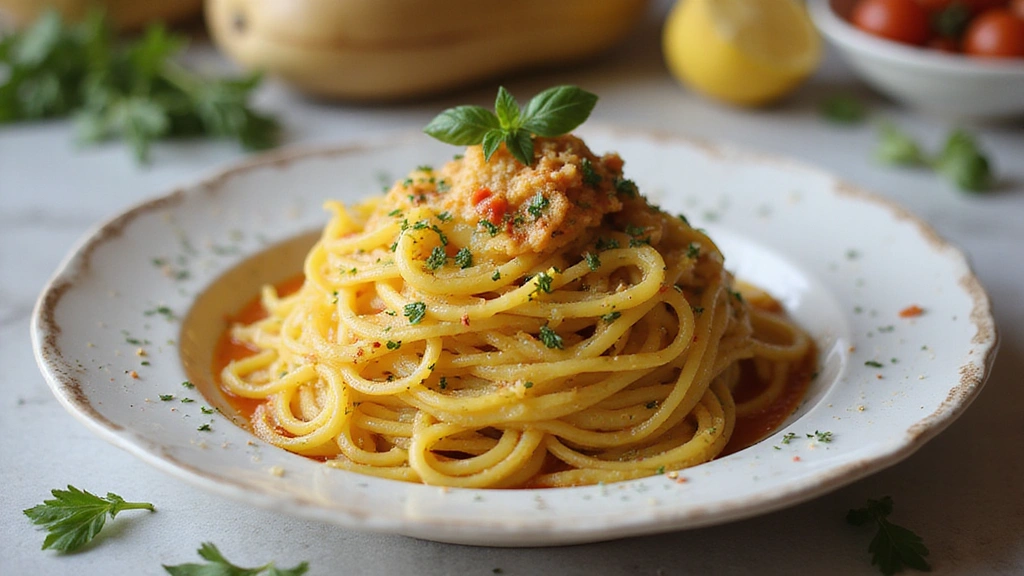
Spaghetti squash has become a beloved alternative to traditional pasta for those seeking healthier, low-carb options.
Its subtle sweetness and unique texture mimic that of spaghetti, making it an excellent canvas for a variety of flavors.
I first discovered this versatile vegetable during a health-focused cooking class, and it quickly became a staple in my kitchen.
Whether you’re following a dairy-free diet or simply looking to incorporate more vegetables into your meals, these spaghetti squash recipes are sure to impress.
The History and Cultural Significance
• Spaghetti squash recipes trace their origins to the Americas, where it was cultivated by Indigenous peoples long before European contact.
• The dish evolved over decades as culinary trends shifted, and it gained popularity in health-conscious communities in the late 20th century.
• In modern cuisine, spaghetti squash is often celebrated during fall harvest festivals, symbolizing abundance and health.
• While many variations exist, the authentic preparation focuses on roasting the squash to enhance its natural sweetness and flavor.
Recipe Overview
Nutritional Information (per serving)
Ingredients
Essential Equipment Guide
Sharp Chef’s Knife: A sharp knife is crucial for cutting the spaghetti squash safely and evenly. Look for one with a comfortable grip and a sturdy blade to handle the hardness of the squash.
Baking Sheet: A sturdy baking sheet ensures even roasting of the squash. Opt for one with a rim to catch any juices that may escape during cooking.
Fork: A standard fork is essential for scraping the spaghetti-like strands from the cooked squash. Any fork will do, but a sturdy one will make the process easier.
Preparation Methods
Roasting: Roasting the spaghetti squash enhances its natural sweetness and creates a delightful texture. Preheat your oven, and make sure to cut the squash evenly for uniform cooking.
Scraping: After roasting, using a fork to scrape the squash into strands is key. Be gentle to avoid breaking the strands, and work from the edges towards the center.
Sautéing: Sautéing the vegetables in olive oil allows them to caramelize and develop deep flavors. Use medium heat and stir frequently to prevent burning.
Step 1: Preheat Oven

Begin by preheating your oven to 400°F (200°C).
This temperature is ideal for roasting spaghetti squash to achieve the perfect texture.
Ensure the oven is fully heated before placing the squash inside.
This step is crucial as it helps to caramelize the natural sugars in the squash.
Step 2: Prepare the Squash
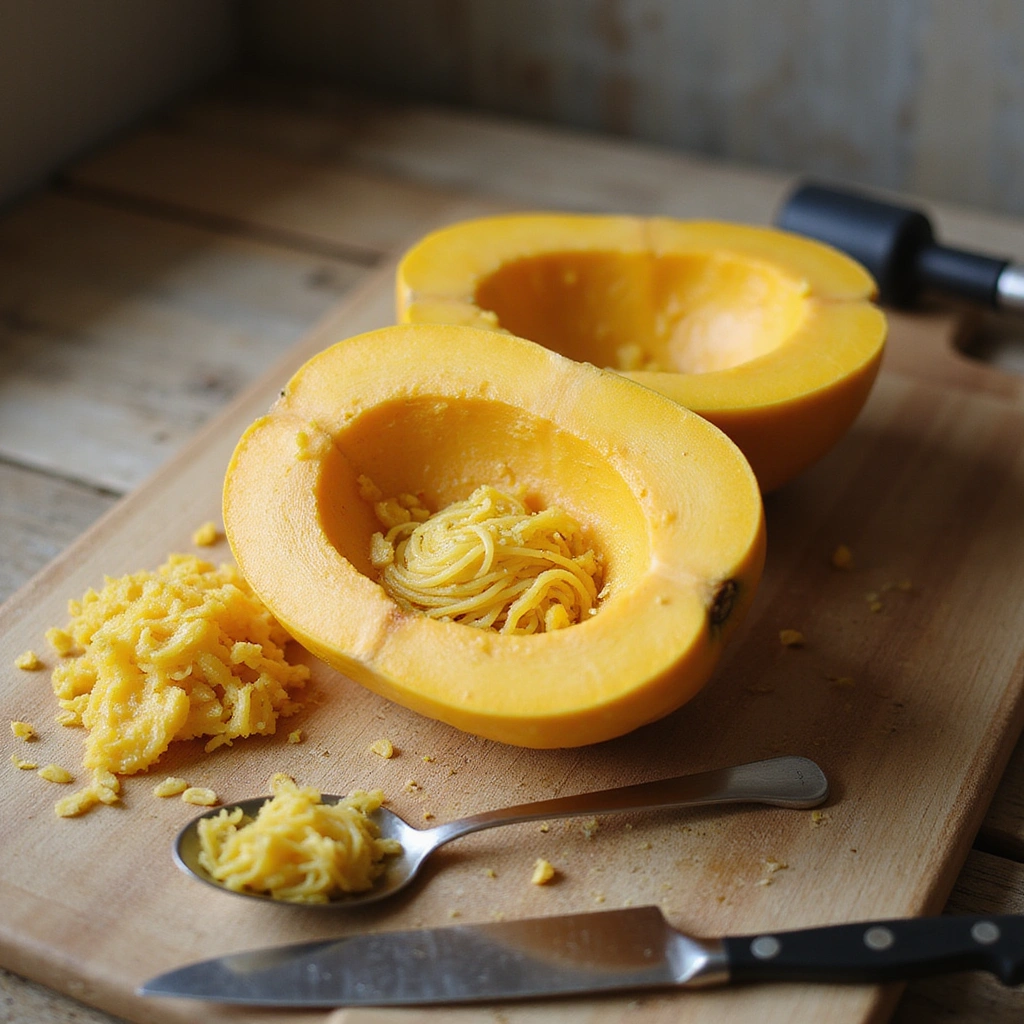
Carefully cut the spaghetti squash in half lengthwise using a sharp chef’s knife.
Remove the seeds and stringy insides with a spoon.
This step is important to ensure even cooking and to avoid any bitterness from the seeds.
Place the squash halves cut-side up on a baking sheet.
Step 3: Season the Squash
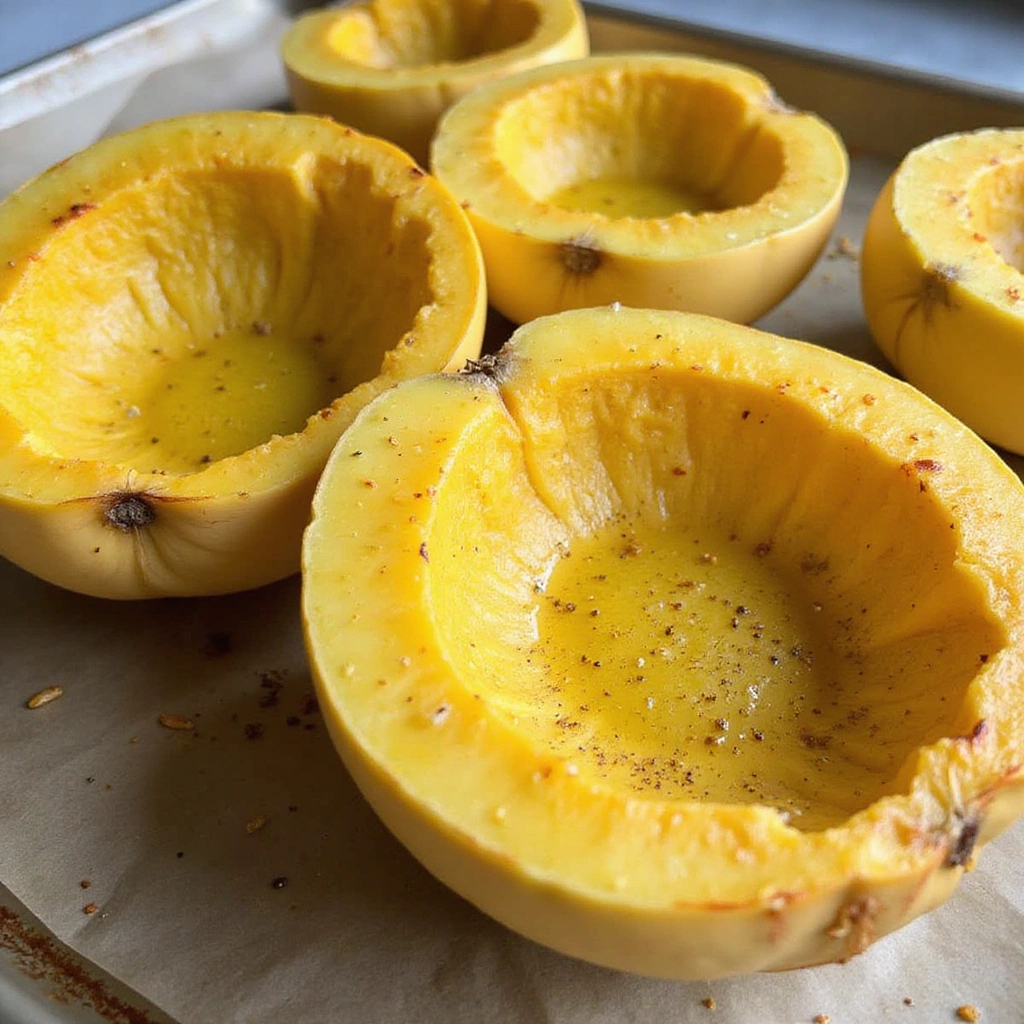
Drizzle olive oil over the cut sides of the squash and sprinkle with salt and pepper.
This seasoning enhances the flavor during roasting.
Make sure to coat the entire surface for even flavor distribution.
Use your hands or a brush to spread the oil and spices evenly.
Step 4: Roast the Squash
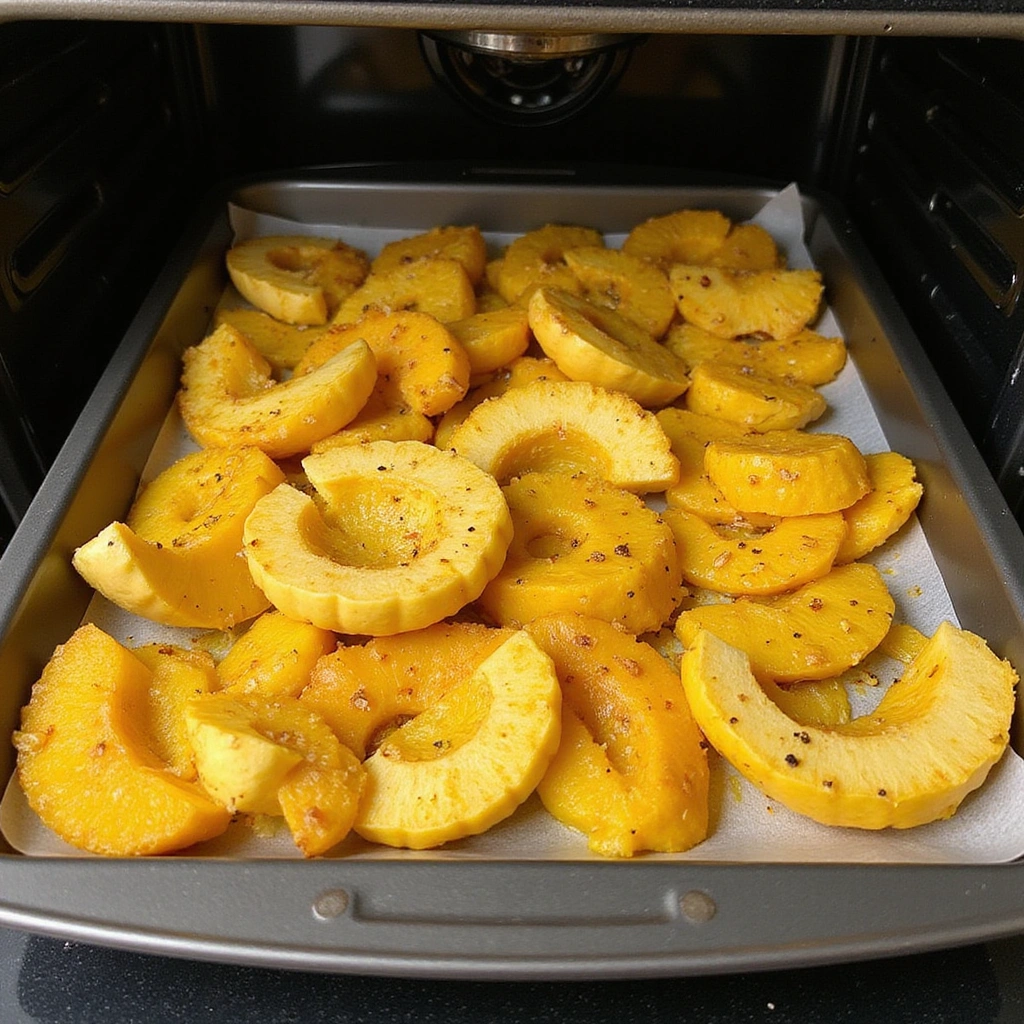
Place the baking sheet in the preheated oven and roast for about 40-45 minutes.
The squash is done when the flesh is tender and easily pierced with a fork.
Keep an eye on it to prevent overcooking, which can make it mushy.
If you notice browning, that’s a good indicator of caramelization.
Step 5: Prepare the Sauce
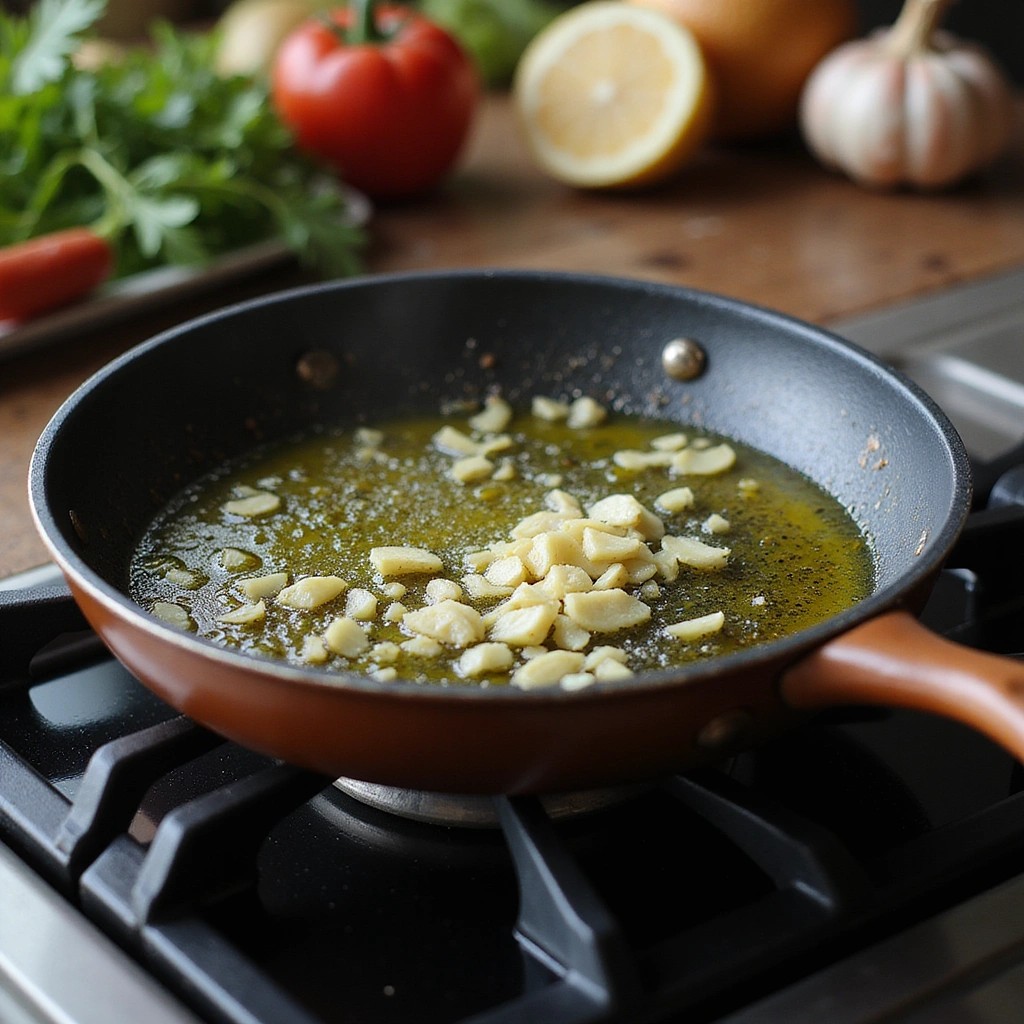
While the squash is roasting, heat olive oil in a skillet over medium heat.
Add minced garlic and sauté until fragrant, about 1-2 minutes.
This step builds a flavor base for the sauce.
Be careful not to burn the garlic, as it can turn bitter.
Step 6: Add Tomatoes and Seasonings

Add the drained diced tomatoes, dried basil, salt, and pepper to the skillet.
Stir well to combine all the ingredients.
Allow the sauce to simmer for about 10 minutes, letting the flavors meld together.
Taste and adjust seasoning as necessary.
Step 7: Scrape the Squash
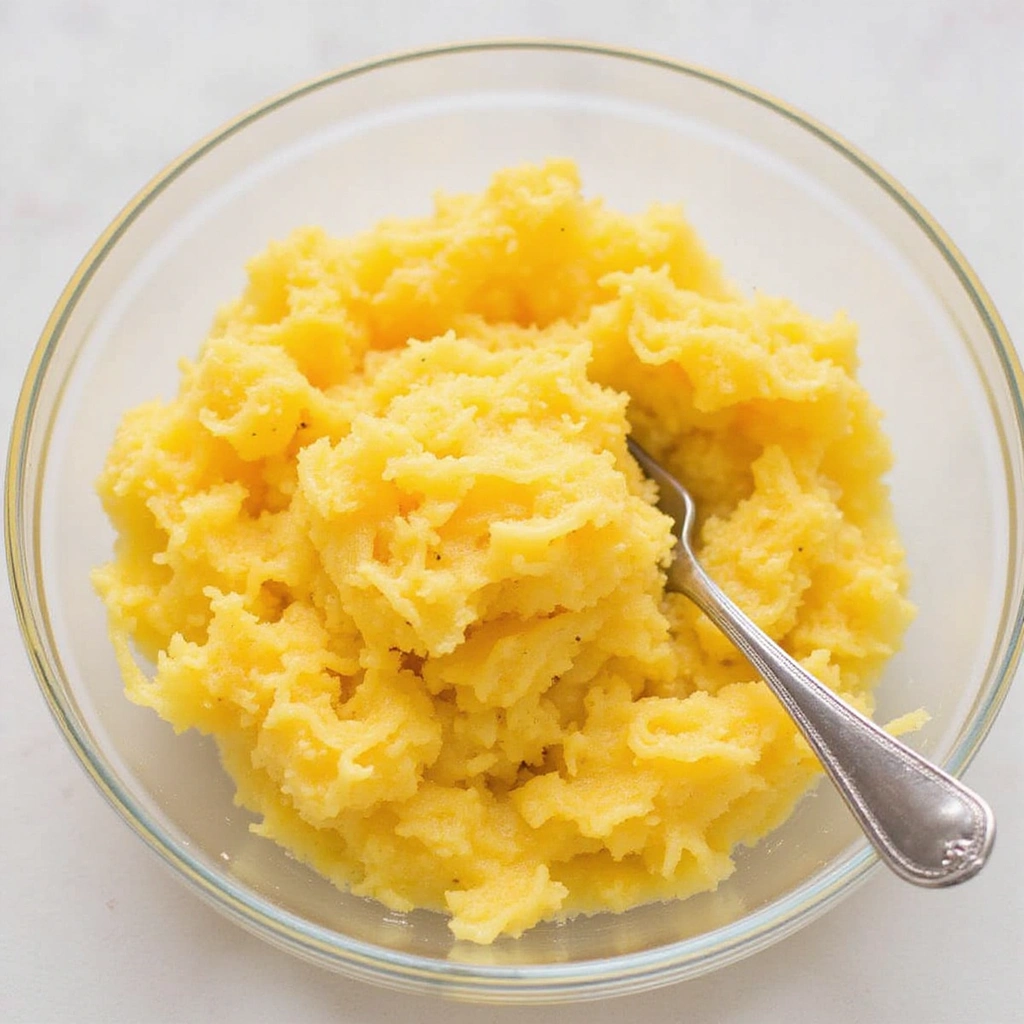
Once the squash is roasted, remove it from the oven and let it cool slightly.
Using a fork, gently scrape the flesh to create spaghetti-like strands.
Scoop out the strands into a bowl, being careful not to break them.
This step reveals the unique texture of the spaghetti squash.
Step 8: Combine and Serve
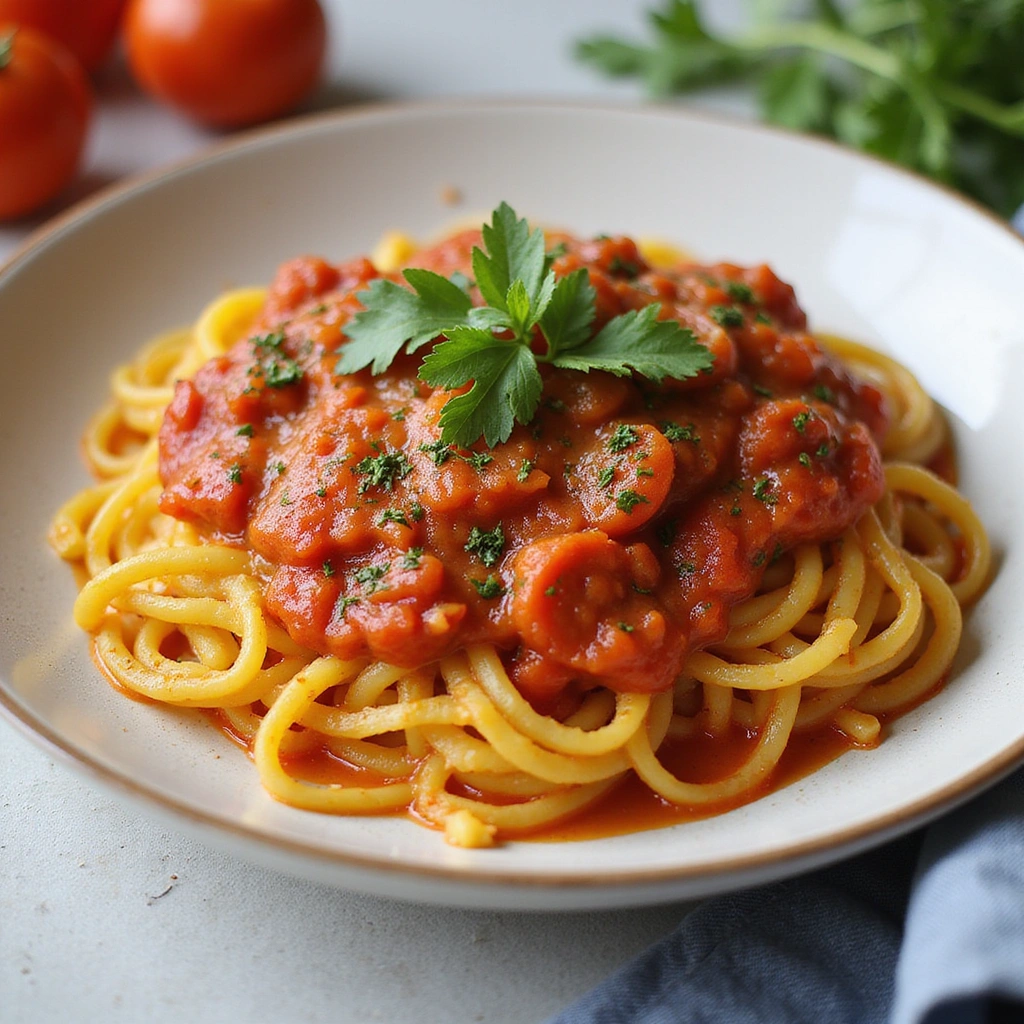
Add the scraped spaghetti squash to the skillet with the sauce and stir to combine.
This allows the squash to absorb the flavors of the sauce.
Serve immediately, garnished with fresh parsley.
Enjoy your healthy, low-carb meal!
Critical Timing and Temperature Guide
Roasting Squash: Roast for 40-45 minutes at 400°F (200°C) until tender. Look for a fork to easily pierce the flesh. Common mistake: Overcooking can lead to mushy texture.
Sautéing Sauce: Cook for 10 minutes over medium heat. The sauce should bubble gently and flavors meld. Common mistake: High heat can burn garlic and alter flavor.
Scraping Squash: Scrape immediately after cooling for easy separation of strands. Look for fluffy, spaghetti-like texture. Common mistake: Waiting too long can cause strands to clump.
Pro Tips for Spaghetti Squash Recipes Dairy Free Low Carb And Healthy
• Ingredient Selection: Choose a ripe spaghetti squash that feels heavy for its size. This ensures optimal sweetness.
• Preparation Secret: Roasting the squash cut side down can enhance caramelization, adding depth of flavor.
• Temperature Management: Ensure your oven is fully preheated to avoid uneven cooking.
• Texture Enhancement: Scraping technique matters; use a fork and scrape gently for long strands.
• Flavor Layering: Add fresh herbs to the sauce at the end for a brighter flavor.
• Make-Ahead Strategies: Roast the squash a day in advance and store in the fridge for quick meals.
• Restaurant-Quality Finishing Touches: Drizzle with high-quality olive oil before serving for added richness.
• Equipment Optimization: A sharp knife and sturdy baking sheet are essential for safe and effective preparation.
Troubleshooting Common Issues
• Texture Too Dense: This can occur if the squash is undercooked. Ensure it roasts long enough to become tender. A fork should easily pierce the flesh.
• Flavors Unbalanced: Over-seasoning can overpower the dish. Taste and adjust seasonings in small increments.
• Too Much Moisture: If the squash is watery, ensure to drain tomatoes well and roast until slightly caramelized.
• Squash Not Scraping Well: If the strands are clumping, make sure to scrape gently and from the edges.
• Garlic Burnt: Cooking garlic too fast can lead to bitterness. Always sauté over medium heat and watch closely.
Variations and Regional Differences
• Italian Style: Incorporate Italian sausage and fresh basil for a heartier dish, paying homage to traditional pasta.
• Mexican Twist: Add black beans, corn, and taco seasoning for a fun, southwest-inspired version.
• Asian Influence: Toss in stir-fried vegetables and a splash of soy sauce for an Asian-inspired flavor profile.
• Modern Interpretations: Experiment with a pesto sauce instead of tomato for a fresh, herbaceous take.
Food Science Behind the Recipe
• Caramelization: The process of roasting brings out the natural sugars in spaghetti squash, enhancing its flavor and creating depth.
• Maillard Reaction: This occurs when the squash and garlic are roasted, creating complex flavors and aromas that elevate the dish.
• Emulsification: Combining oil with the sauce helps to bind flavors together, creating a cohesive and rich sauce.
Frequently Asked Questions
What’s the most common mistake people make when preparing spaghetti squash? The most common mistake is not cooking the squash long enough, resulting in a tough texture. Ensure it’s tender before scraping.
Can I prepare components of this dish in advance? Yes, you can roast the squash ahead of time and store it in the fridge for up to 3 days.
How do I adapt this recipe for dietary restrictions? For gluten-free diets, this recipe is naturally gluten-free. For vegan diets, ensure to use plant-based ingredients.
What’s the best way to store and reheat leftovers? Store in an airtight container in the fridge for up to 4 days. Reheat gently in the microwave or on the stovetop.
Can I freeze this dish? Yes, freeze in an airtight container for up to 3 months. Thaw in the fridge overnight before reheating.
What wine or beverages pair best with this dish? A light-bodied white wine, like Pinot Grigio, complements the flavors beautifully.
How can I scale this recipe up for a crowd? Simply double the ingredients and use larger baking sheets for roasting multiple squash at once.
What side dishes complement this recipe best? A simple green salad or roasted vegetables pair wonderfully with this dish.
How do professional chefs elevate this dish for restaurant service? Chefs often add a drizzle of balsamic reduction or a sprinkle of gourmet sea salt to enhance presentation and flavor.
Serving and Presentation Guide
• Traditional Presentation: Serve the squash in its shell for a rustic, authentic presentation, garnished with fresh herbs.
• Modern Plating Ideas: Use a wide, shallow bowl to showcase the strands, with the sauce artfully drizzled over the top.
• Accompaniment Suggestions: Pair with a crisp white wine or a light salad for a well-rounded meal.
• Special Occasion Presentation: For celebrations, serve in personalized ramekins with a sprinkle of toasted pine nuts on top.
Conclusion
I hope this spaghetti squash recipe inspires you to explore the delicious world of healthy, low-carb cooking.
With its versatility and satisfying texture, it’s a dish that can easily impress family and friends.
Give it a try, and you may just discover a new favorite meal!