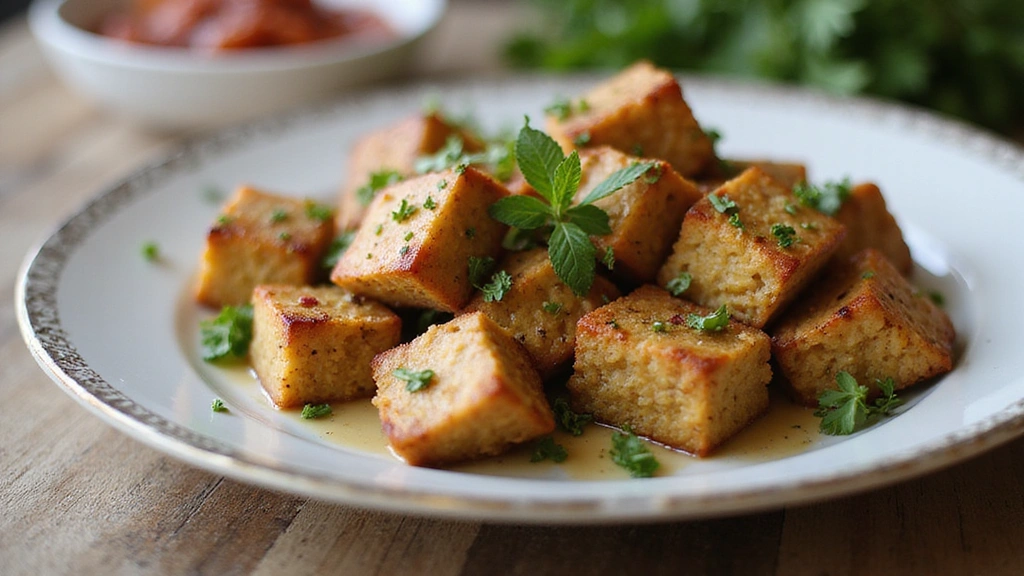
This gluten free dairy free stuffing is a delightful twist on a classic holiday favorite that everyone can enjoy.
Rich in flavor and texture, it boasts a medley of savory herbs, hearty vegetables, and gluten-free bread that create a comforting side dish.
I first discovered this recipe while exploring alternative diets during the holiday season, and it quickly became a staple for our family gatherings.
Whether you’re cooking for guests with dietary restrictions or simply looking to elevate your holiday table, this stuffing will impress everyone at your feast.
The History and Cultural Significance
• Gluten Free Dairy Free Stuffing Recipes trace their origins to early American settlers, who created stuffing as a way to utilize leftover bread and herbs.
• The dish evolved over decades, incorporating various regional ingredients and spices, eventually becoming a ubiquitous side during Thanksgiving celebrations.
• In American culture, this dish traditionally appears at Thanksgiving and Christmas, symbolizing family unity and gratitude.
• While many variations exist across different families and regions, the authentic version maintains a balance of texture and flavor that sets it apart.
Recipe Overview
Nutritional Information (per serving)
Ingredients
Essential Equipment Guide
Large Mixing Bowl: A sturdy mixing bowl is essential for combining all the ingredients evenly. Look for one that is large enough to accommodate all your stuffing components without spilling.
9×13 Baking Dish: This size is perfect for even cooking and browning of your stuffing. Any alternative dish should be oven-safe and similar in size to ensure even heat distribution.
Sharp Knife: A sharp knife is crucial for chopping vegetables and bread into uniform pieces, ensuring even cooking. A chef’s knife is recommended for its versatility and efficiency.
Preparation Methods
Drying Gluten-Free Bread: To achieve the perfect texture, it’s essential to dry the gluten-free bread before using it. Cut the bread into cubes and let it sit out overnight or toast them lightly in the oven to remove moisture. This step helps the stuffing absorb the broth without becoming mushy.
Sautéing Vegetables: Sautéing the vegetables in olive oil before adding them to the stuffing enhances their flavor and ensures even cooking. Cook until they are soft and fragrant, which usually takes about 5-7 minutes. This technique builds a strong flavor base for your stuffing.
Seasoning Layering: Proper seasoning is key to a flavorful stuffing. Start by seasoning your sautéed vegetables and then mix in herbs before combining with the bread. This ensures that each component of the dish is well-flavored and aromatic.
Step 1: Prepare Ingredients
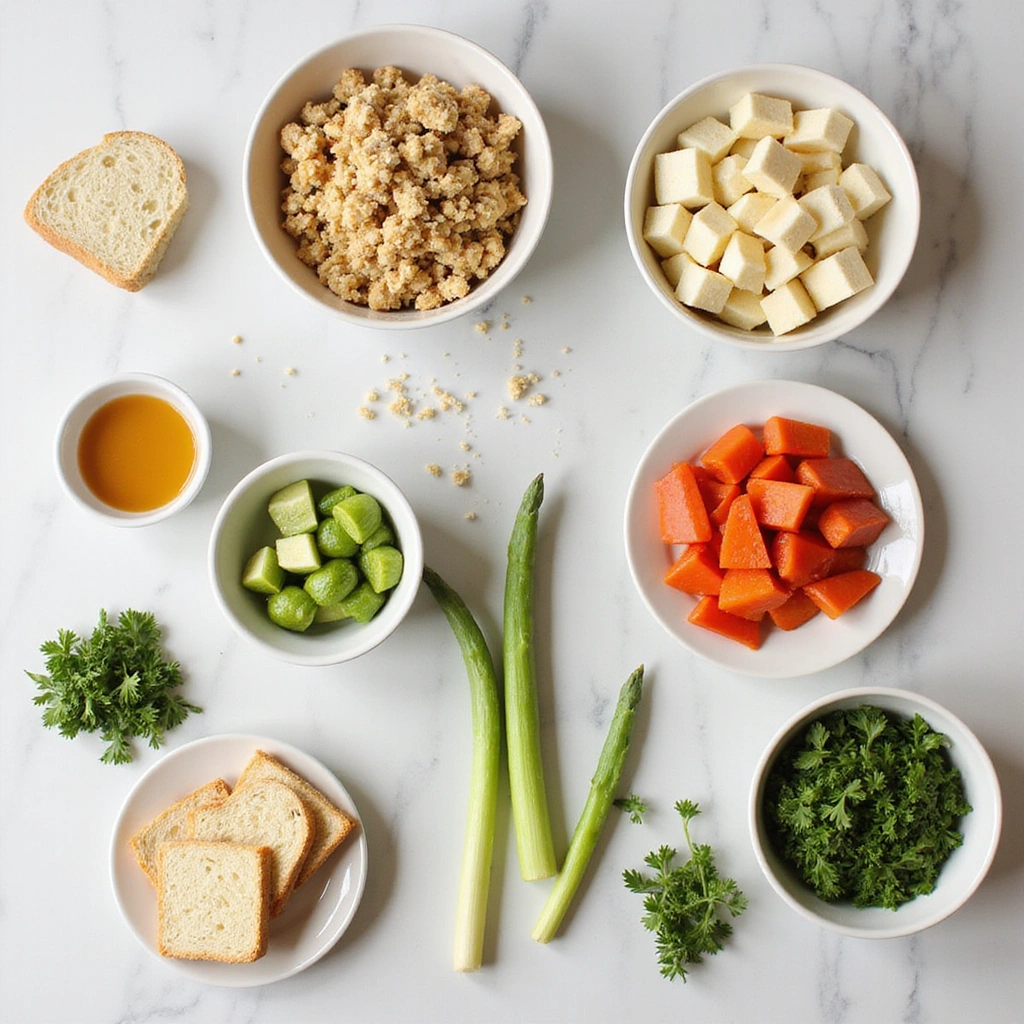
Gather all your ingredients and tools before you begin cooking.
Ensure the gluten-free bread is dried and cubed, and chop all vegetables uniformly.
This will allow for even cooking and a well-blended stuffing.
Set aside the herbs and broth for later use.
Step 2: Sauté Vegetables
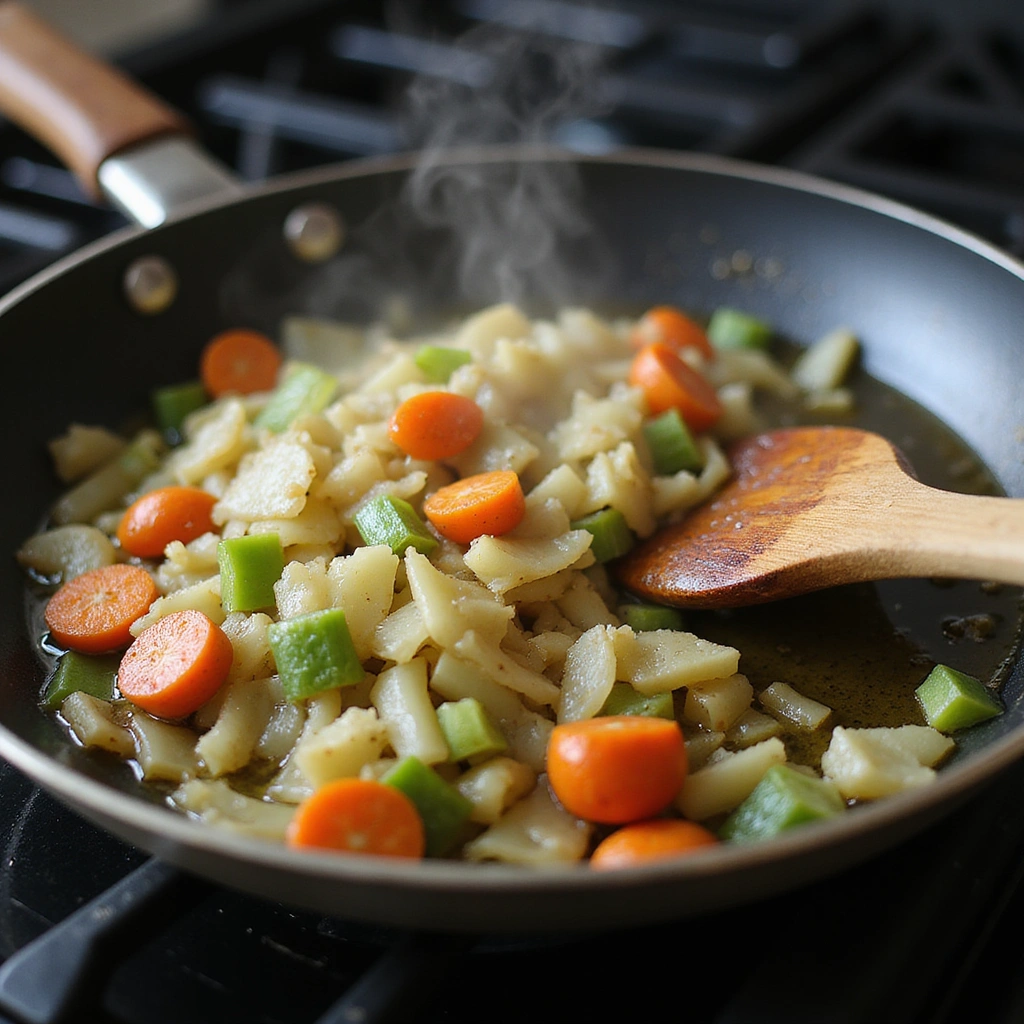
In a large skillet, heat olive oil over medium heat.
Add the chopped onion, celery, and carrots to the skillet.
Sauté for about 5-7 minutes, or until the vegetables are tender and fragrant.
Stir occasionally to prevent burning and promote even cooking.
Step 3: Combine Ingredients
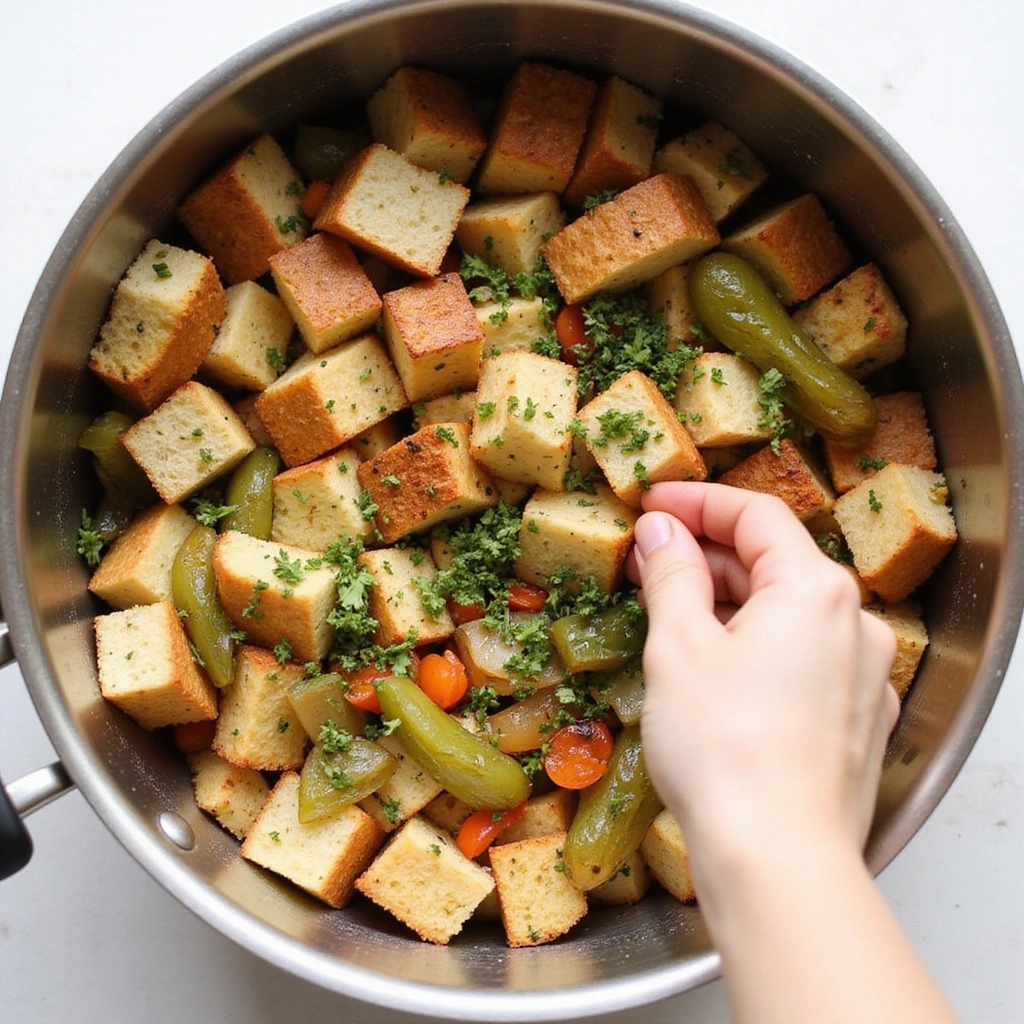
In a large mixing bowl, combine the dried gluten-free bread cubes and the sautéed vegetable mixture.
Add the herbs, salt, and pepper, mixing gently to combine all ingredients evenly.
This step is crucial for ensuring that the flavors are well-distributed throughout the stuffing.
Be careful not to break the bread cubes too much as you mix.
Step 4: Add Broth
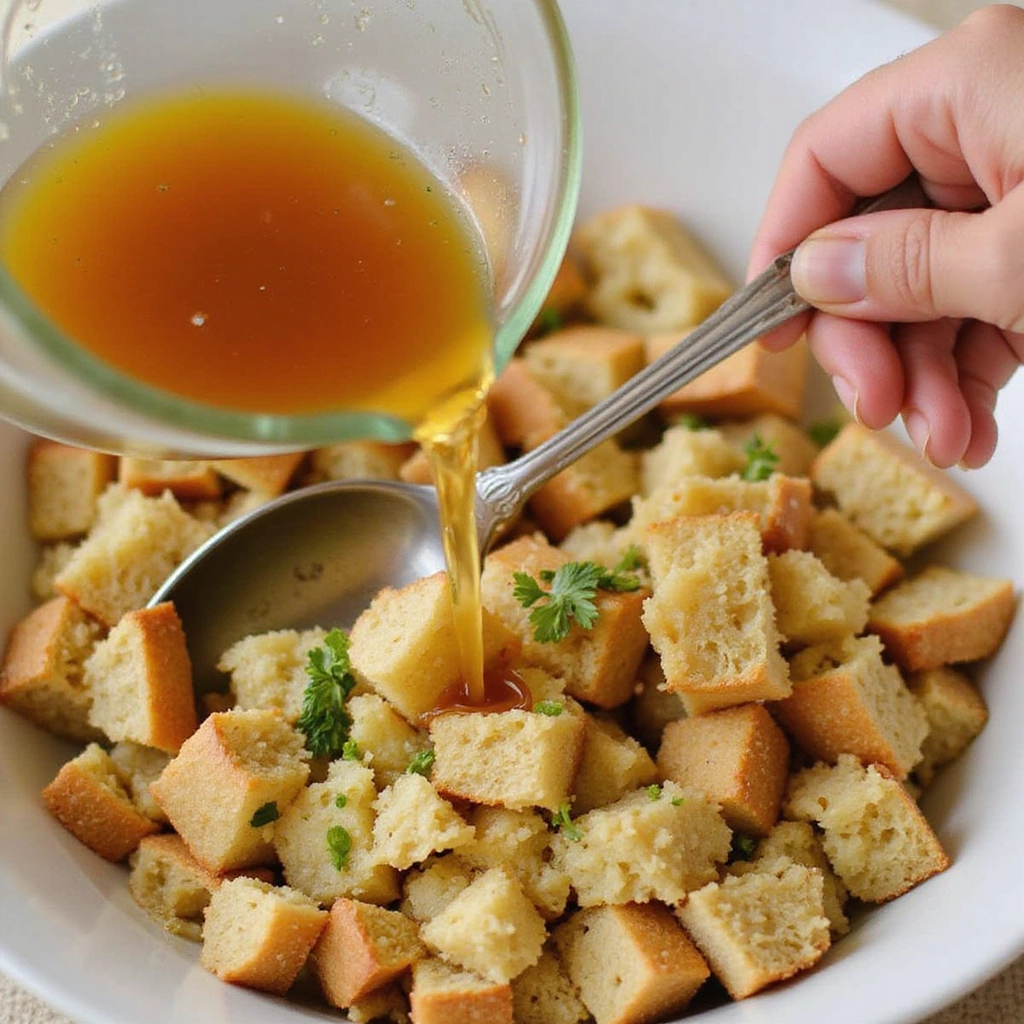
Pour the vegetable broth over the bread and vegetable mixture.
Gently toss the mixture to ensure the bread absorbs the broth evenly.
You want the bread to be moist but not soggy, so add broth gradually until the desired consistency is reached.
This step helps to bind the stuffing together.
Step 5: Transfer to Baking Dish
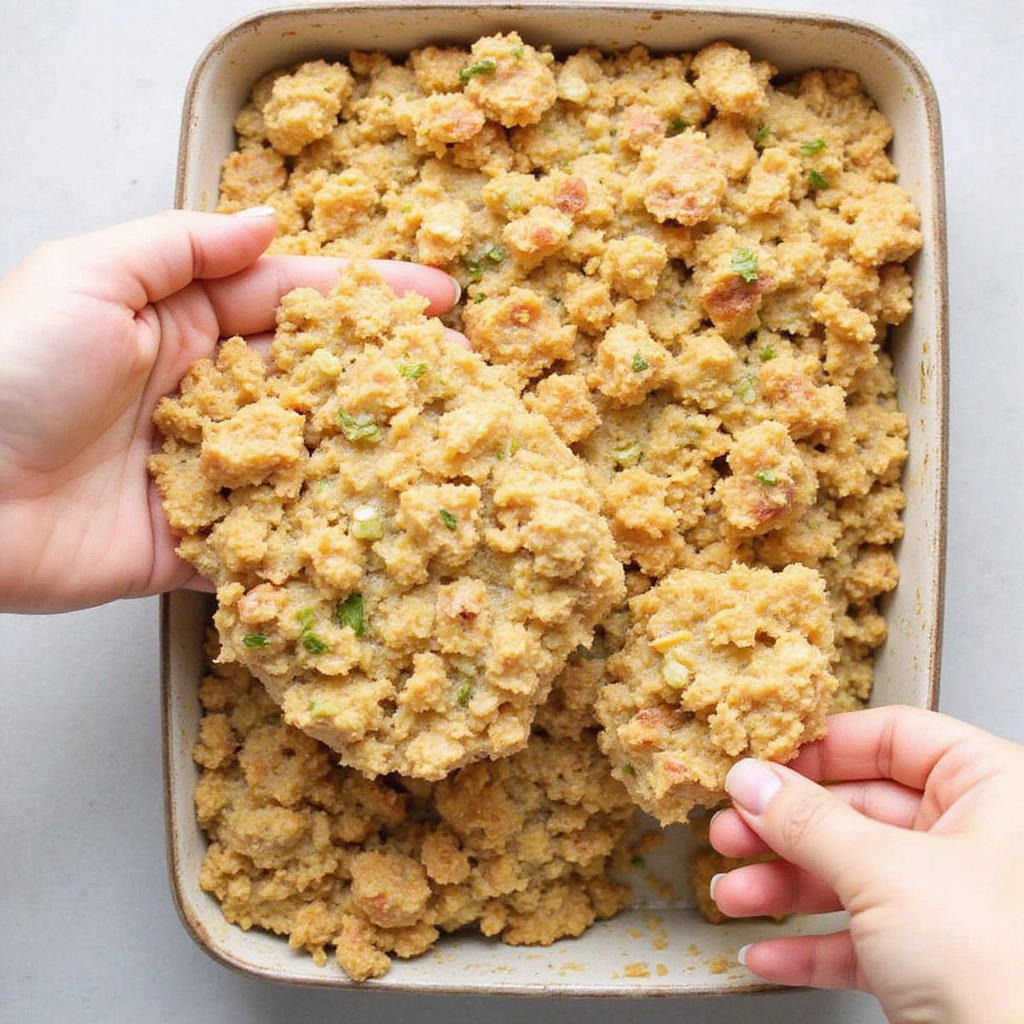
Preheat your oven to 350°F (175°C).
Transfer the stuffing mixture into a greased 9×13 baking dish, spreading it out evenly.
Press down slightly to compact the stuffing, which helps it hold together during baking.
This ensures even cooking and a nice golden top.
Step 6: Bake the Stuffing
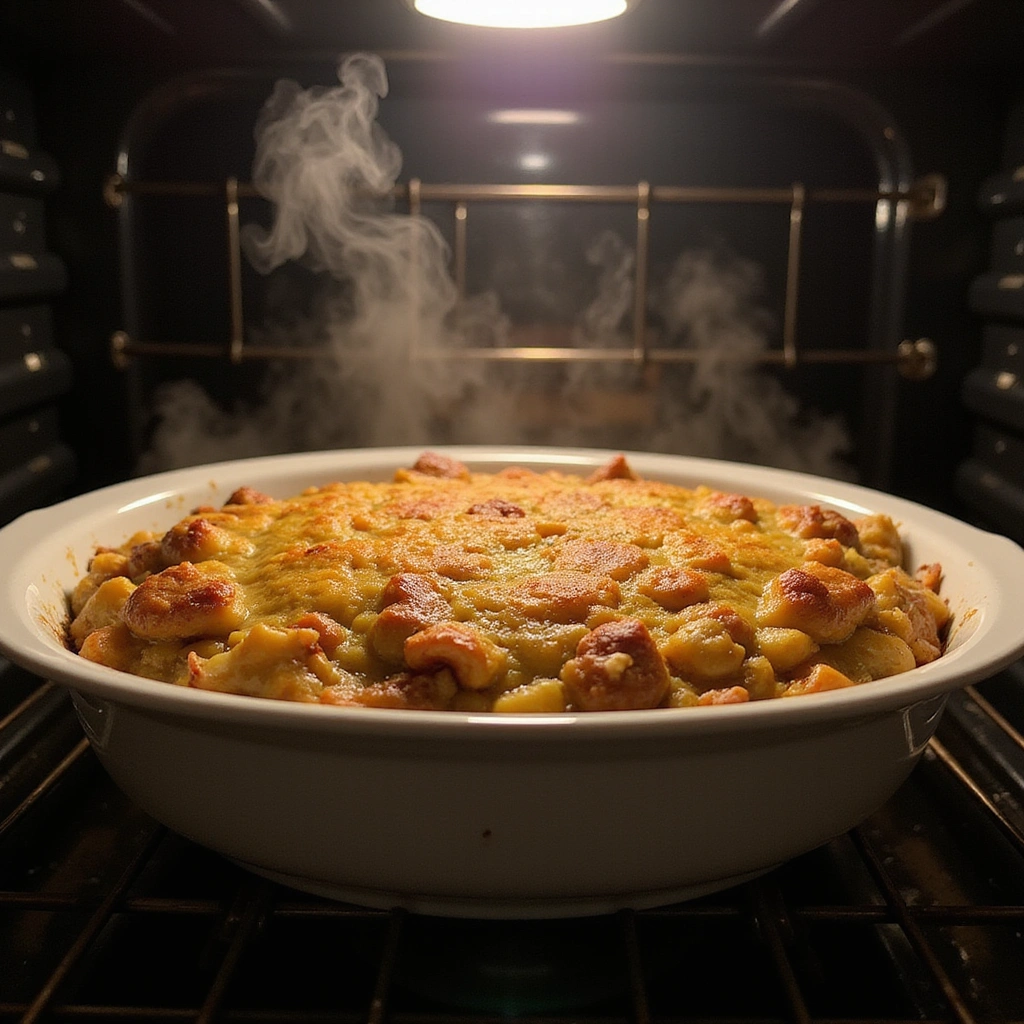
Place the baking dish in the preheated oven.
Bake for 30 minutes, or until the top is golden brown and crispy.
Check halfway through cooking and stir if necessary for even browning.
This step develops a crunchy crust while keeping the inside moist.
Step 7: Serve and Enjoy
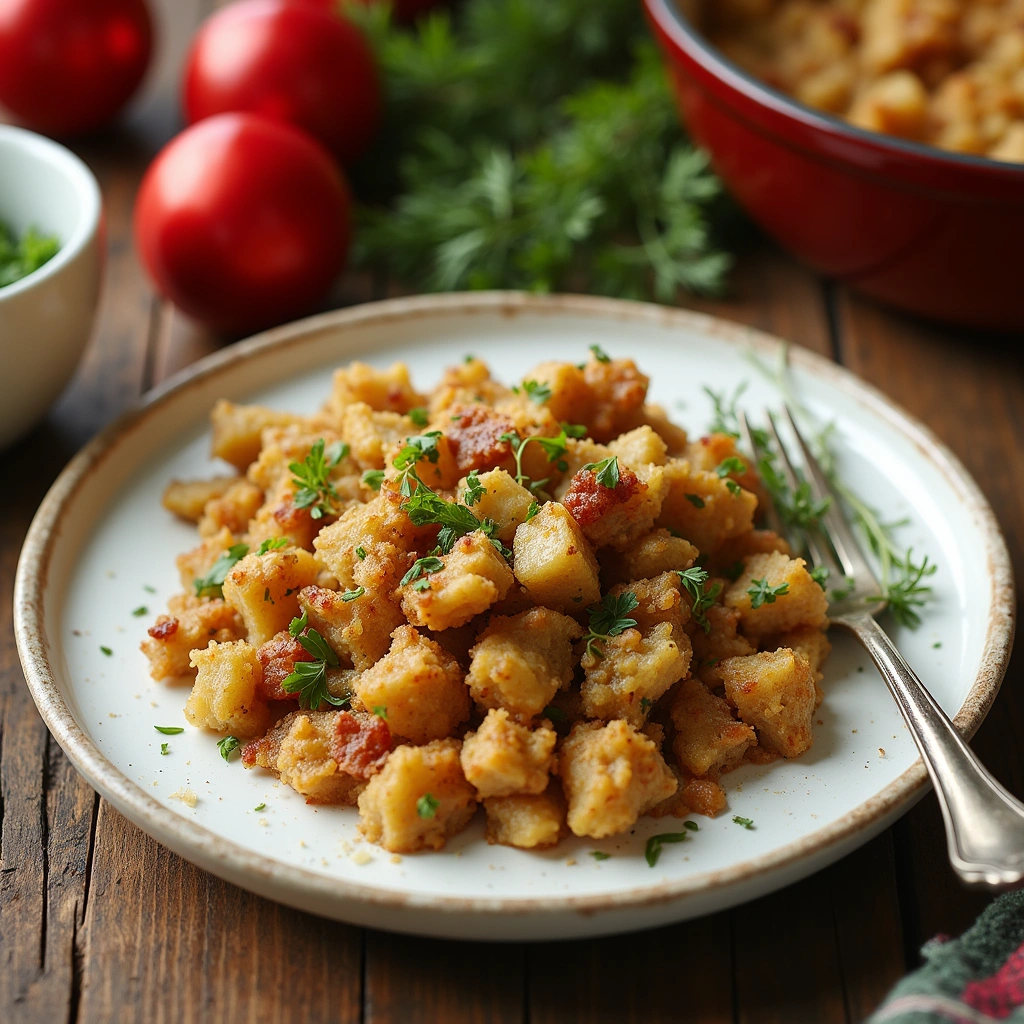
Remove the stuffing from the oven and let it cool for a few minutes.
Fluff the stuffing gently with a fork before serving to enhance its texture.
Serve warm as a side dish to your favorite holiday meals.
Garnish with fresh herbs for an added touch of flavor and presentation.
Critical Timing and Temperature Guide
Baking Time: Bake the stuffing at 350°F (175°C) for 30 minutes. Look for a golden brown top as an indicator of doneness. Avoid overbaking, which can lead to dryness.
Sautéing Vegetables: Sauté vegetables until they are soft and fragrant, about 5-7 minutes. Overcooking can cause them to lose texture and flavor.
Cooling Time: Allow the stuffing to cool for 5-10 minutes before serving. This helps it set and makes it easier to serve without falling apart.
Pro Tips for Gluten Free Dairy Free Stuffing Recipes Holiday Favorite Dish
• Ingredient Selection: Choose high-quality gluten-free bread for the best texture and flavor; sourdough varieties work particularly well.
• Preparation Secret: Toast the gluten-free bread cubes before using them to enhance their flavor and prevent sogginess.
• Temperature Management: Ensure your broth is warm when adding it to the mixture to help absorb flavors more effectively.
• Texture Enhancement: For a varied texture, mix in some toasted nuts or seeds to add crunch.
• Flavor Layering: Consider adding a splash of apple cider or lemon juice for brightness and to cut through richness.
• Make-Ahead Strategies: Prepare the stuffing a day in advance and bake it just before serving to save time on the holiday.
• Restaurant-Quality Finishing Touches: Drizzle a bit of high-quality olive oil or melted dairy-free butter over the stuffing before baking for an extra layer of flavor.
• Equipment Optimization: Use a food processor to chop vegetables quickly and uniformly.
Troubleshooting Common Issues
• Texture Too Dense: This may be caused by not using enough broth or overmixing the bread. To fix, add a bit more broth and gently fold the mixture.
• Flavors Unbalanced: If the stuffing lacks flavor, consider adding more herbs or seasoning. Taste as you go to ensure a balanced profile.
• Stuffing Too Soggy: This often happens when too much broth is added. To remedy, bake it a bit longer uncovered to help evaporate excess moisture.
• Burnt Top: If the top is browning too quickly, cover the dish with foil to prevent burning while allowing the inside to cook through.
• Not Crispy Enough: For a crispier top, increase the oven temperature slightly towards the end of baking and keep an eye on it to prevent burning.
Variations and Regional Differences
• Southern Style: Southern variations often incorporate cornbread and may include sausage or bacon for added richness and flavor.
• Herb and Citrus Stuffing: Some regions utilize fresh citrus zest and a variety of herbs, such as rosemary and parsley, to brighten the flavors.
• Italian Style: Italian stuffing often includes ingredients like olives, sun-dried tomatoes, and Italian herbs for a Mediterranean twist.
• Modern Interpretations: Today, many chefs experiment with quinoa or wild rice as a base, incorporating seasonal vegetables and unique spices for a contemporary take.
Food Science Behind the Recipe
• Maillard Reaction: This is the chemical reaction that occurs when the stuffing is baked, resulting in a rich, brown crust. Understanding this helps cook the stuffing perfectly for desirable texture.
• Emulsification: The olive oil and broth work together to create a homogenous mixture that binds the ingredients. Knowing the ratios ensures the stuffing is flavorful and moist.
• Gelatinization: The starches in gluten-free bread absorb moisture and swell during baking, creating a cohesive texture. This process is key for achieving the perfect stuffing consistency.
Frequently Asked Questions
What’s the most common mistake people make when preparing gluten free dairy free stuffing? The most common mistake is not drying out the gluten-free bread enough, leading to a soggy texture. Ensure the bread is adequately dried or toasted before mixing.
Can I prepare components of this dish in advance? Yes, you can prepare the vegetable mixture and dry the bread a day ahead. Store them separately in the fridge until you’re ready to combine and bake.
How do I adapt this recipe for dietary restrictions? For nut allergies, ensure the bread does not contain any nut products. You can also substitute the broth for a homemade version to avoid allergens.
What’s the best way to store and reheat leftovers? Store leftovers in an airtight container in the refrigerator for up to 3 days. Reheat in the oven at 350°F (175°C) until warmed through, about 20 minutes.
Can I freeze this dish? Yes, stuffing can be frozen before baking. Wrap tightly in plastic wrap and foil for up to 3 months. Thaw in the refrigerator before baking.
What wine or beverages pair best with this dish? A light white wine, such as Sauvignon Blanc, complements the flavors of the stuffing without overpowering it.
How can I scale this recipe up for a crowd? To scale up, simply multiply the ingredient amounts while keeping the same ratios. Ensure you have a larger baking dish to accommodate the increased volume.
What side dishes complement this recipe best? Roasted vegetables, cranberry sauce, and a green salad are excellent companions to enhance the holiday meal.
How do professional chefs elevate this dish for restaurant service? Chefs often add unique ingredients like truffle oil or gourmet mushrooms and present them in elegant plating for a refined dining experience.
Serving and Presentation Guide
• Traditional Presentation: Serve stuffing in the baking dish it was cooked in, garnished with fresh herbs for a rustic look.
• Modern Plating Ideas: For a contemporary touch, portion the stuffing into individual ramekins or use a ring mold for a refined presentation.
• Accompaniment Suggestions: Serve with a side of homemade cranberry sauce and a fresh green salad to balance flavors.
• Special Occasion Presentation: Use elegant serving platters and add seasonal garnishes like pomegranate seeds or citrus slices for a festive touch.
Conclusion
This gluten free dairy free stuffing is not just a dish; it’s a celebration of flavors and traditions that can be enjoyed by everyone.
I invite you to try this recipe and share it with your loved ones during your next holiday gathering.
May your table be filled with warmth, joy, and delicious memories.