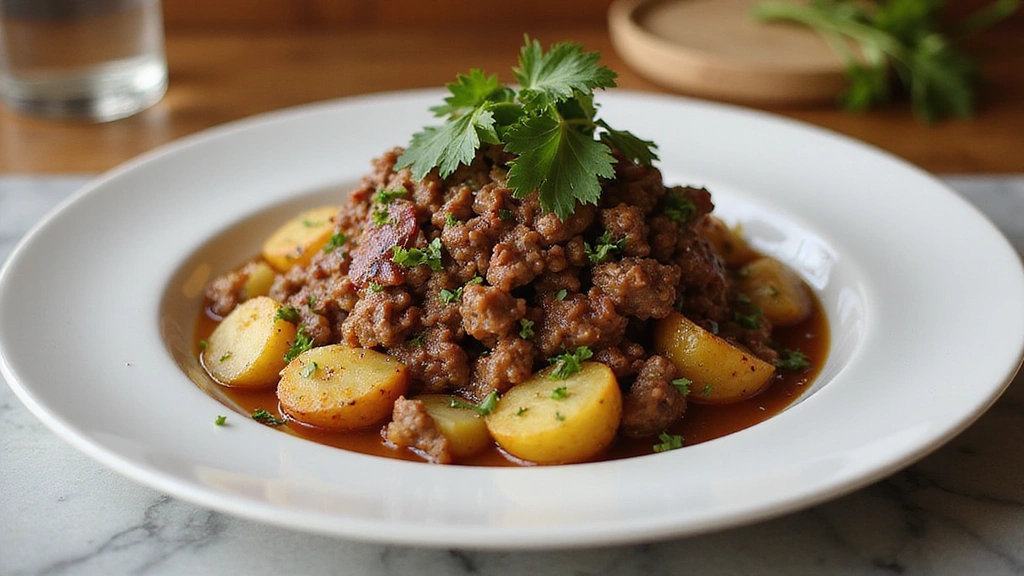
Ground Beef and Potato Recipes are the epitome of comfort food, offering a hearty and satisfying meal that warms the soul.
The savory richness of the ground beef combined with the earthy flavor of potatoes creates a delightful harmony that is hard to resist.
I first encountered this comforting dish during a chilly autumn evening, where its warm embrace felt like a hug from an old friend.
Whether enjoyed as a family favorite or on a cozy night in, these recipes promise to deliver deliciousness with minimal fuss.
The History and Cultural Significance
• Ground Beef and Potato Recipes trace their origins to various regions around the world, particularly in Europe and North America, where hearty meals were essential for sustenance.
• The dish evolved over decades as different cultures adapted it to include local flavors and ingredients, eventually becoming a staple comfort food.
• In many households, this dish traditionally appears during gatherings and celebrations, symbolizing warmth, family, and togetherness.
• While many variations exist across different cultures, the authentic versions maintain a balance of protein and carbohydrates that make them hearty and satisfying.



Recipe Overview
Nutritional Information (per serving)


Ingredients


Essential Equipment Guide
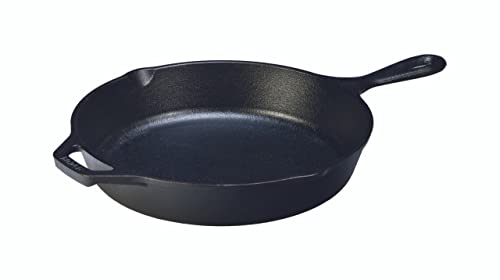
Skillet: A heavy-duty skillet is essential for browning the ground beef evenly, which enhances the flavor through the Maillard reaction. Look for a cast-iron or stainless-steel skillet to retain heat well.
Potato Masher: This tool is vital for mashing the potatoes to achieve a creamy texture. A sturdy masher will ensure that you can break down the potatoes without lumps.
Cutting Board: A good-quality cutting board provides a stable surface for chopping vegetables and preparing meat. Consider using a wooden or plastic board that is easy to clean and maintain.


Preparation Methods
Browning Meat: Browning the ground beef is crucial for developing flavor. Start by preheating the skillet to medium-high heat and breaking the meat into small chunks as it cooks, ensuring even browning throughout.
Mashed Potatoes: For creamy mashed potatoes, cook diced potatoes in boiling water until fork-tender. Drain and return to the pot, then add olive oil, salt, and mash until smooth for the best texture.
Sautéing Vegetables: Sautéing the onions, carrots, and celery before adding to the meat enhances their sweetness and flavor. Heat olive oil in the skillet, then add chopped vegetables and cook until softened and fragrant.



Step 1: Prepare Ingredients
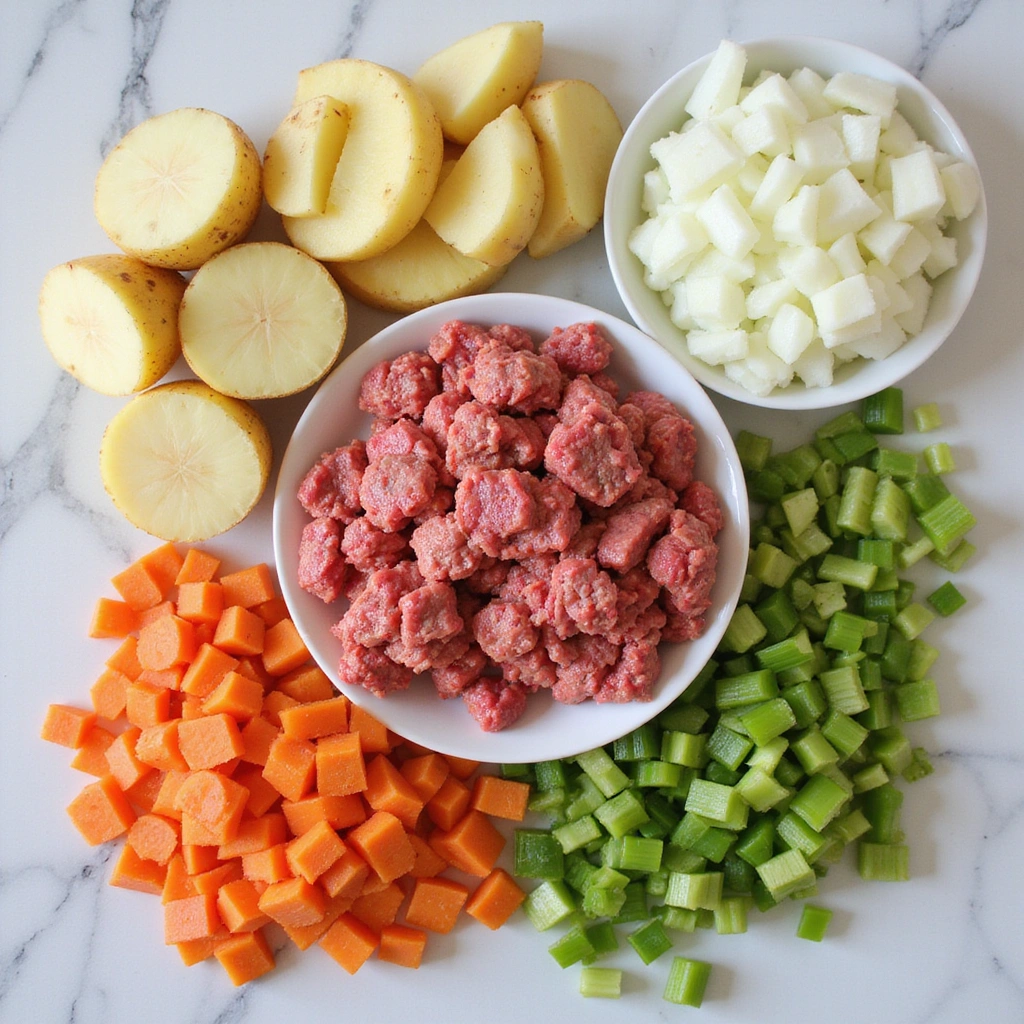
Begin by gathering all your ingredients on the countertop.
Ensure that the ground beef is thawed and the potatoes are peeled and diced.
Chop the onion, carrots, and celery as well, preparing them for the sautéing process.
Having everything ready will streamline your cooking process and prevent any last-minute rushing.


Step 2: Brown the Ground Beef
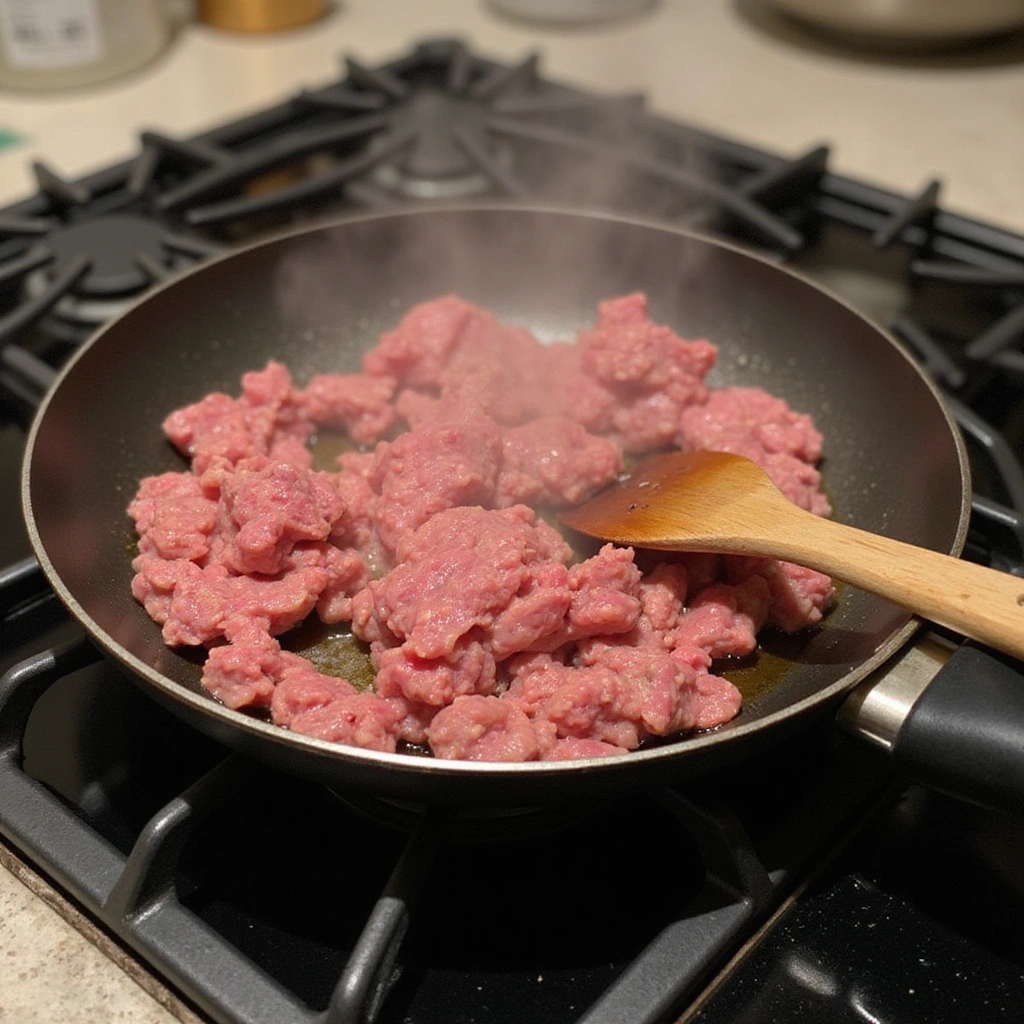
Heat a skillet over medium-high heat and add the ground beef.
Break the meat apart with a spatula, ensuring it cooks evenly for about 6-8 minutes.
Look for a rich brown color on the beef as this enhances the flavor.
Once browned, drain excess fat if necessary, and set the meat aside.
Step 3: Sauté the Vegetables
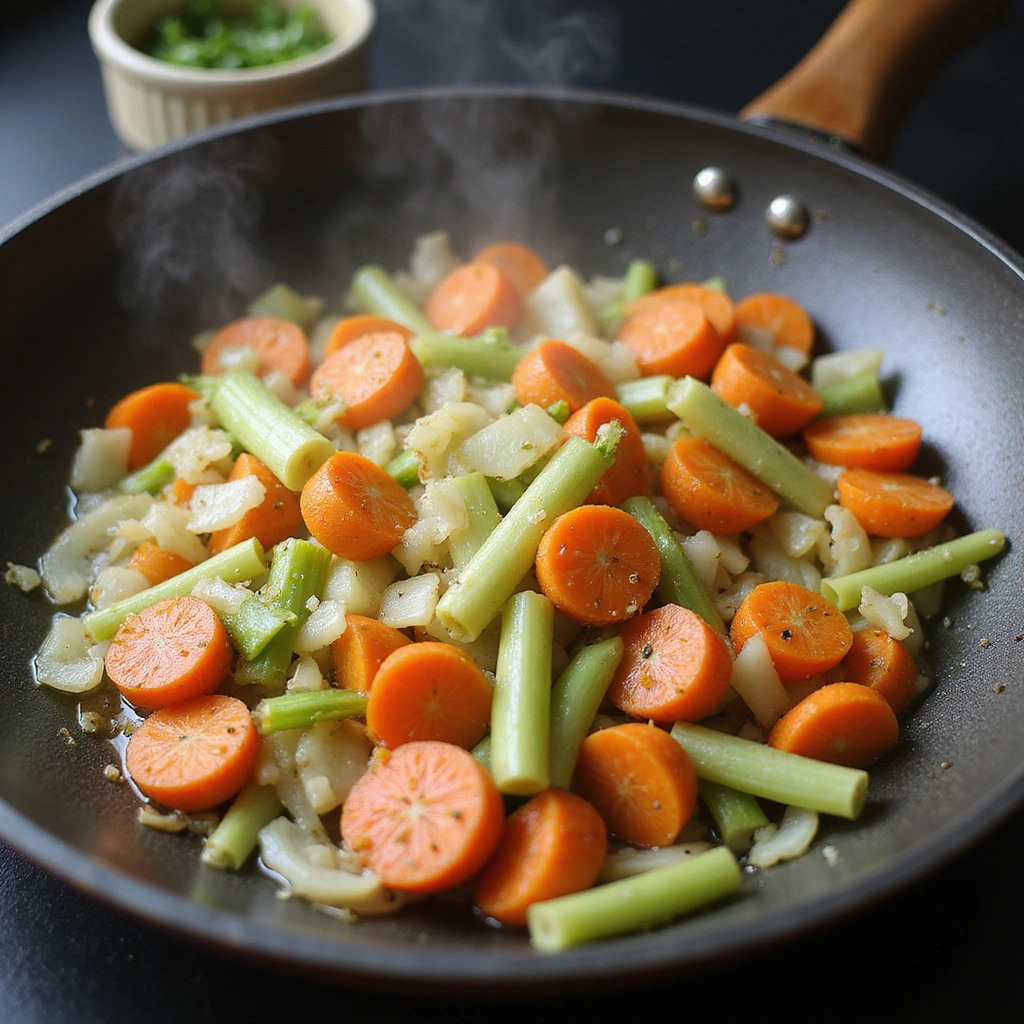
In the same skillet, add olive oil and the chopped onion, carrots, and celery.
Cook the vegetables over medium heat for 5-7 minutes until they become soft and translucent.
Stir occasionally to prevent sticking and ensure even cooking.
The aroma of sautéed vegetables will fill the kitchen, enhancing the dish’s overall flavor.
Step 4: Combine Ingredients
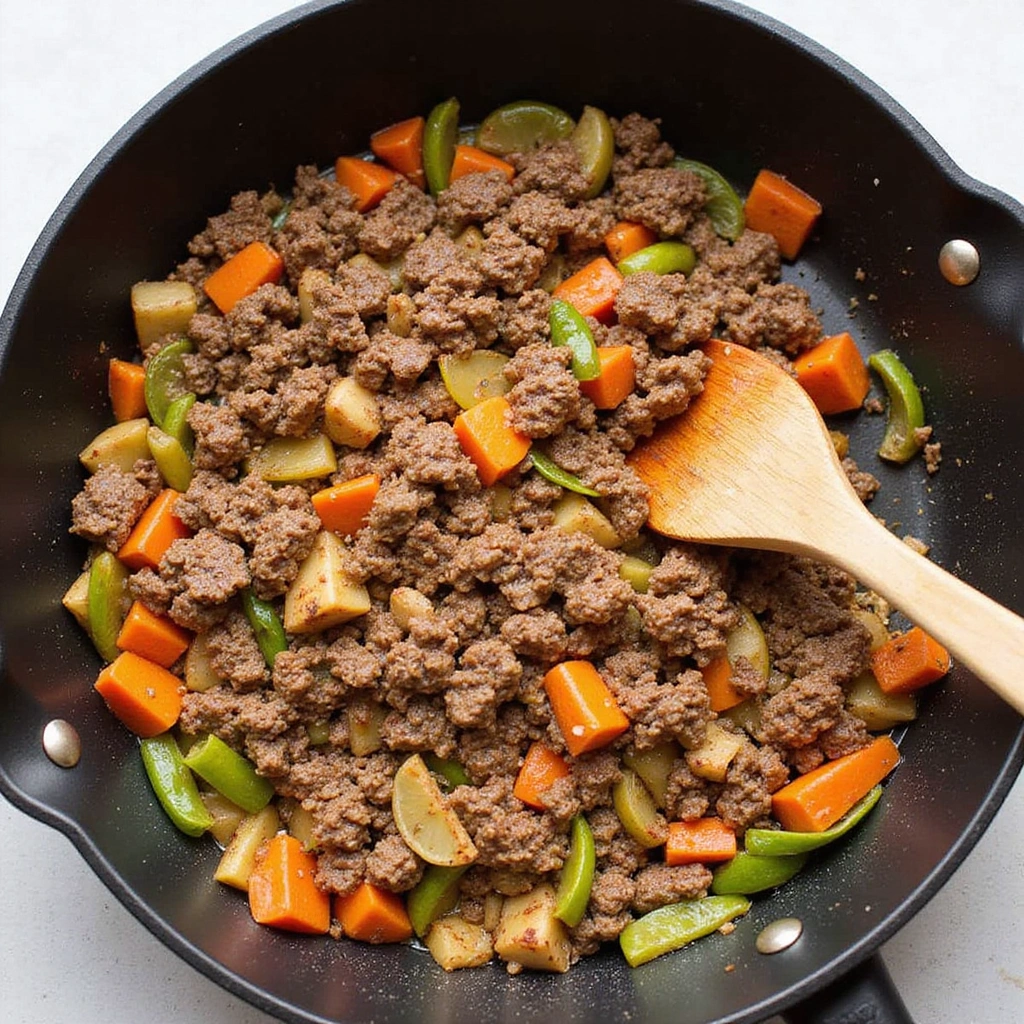
Return the browned ground beef to the skillet with the sautéed vegetables.
Mix them together thoroughly to combine the flavors.
Add salt and pepper to taste, ensuring an even distribution throughout.
This step builds the base flavor for your dish.

Step 5: Boil Potatoes
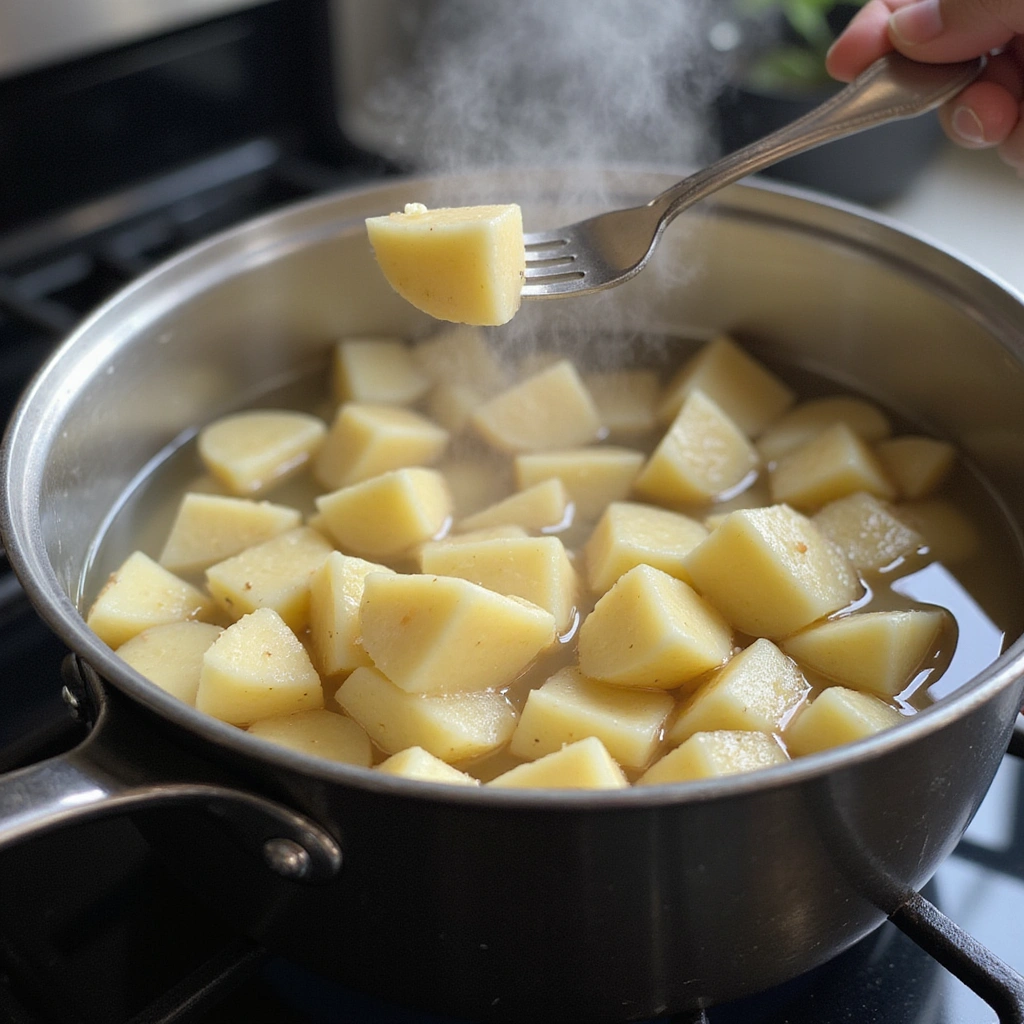
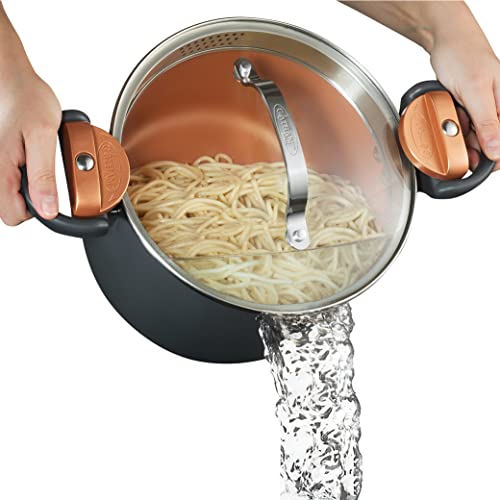
In a separate pot, bring water to a boil and add the diced potatoes.
Cook them for about 15 minutes or until fork-tender.
Check the tenderness by piercing a potato with a fork; it should slide in easily.
Once cooked, drain the potatoes and return them to the pot.
Step 6: Mash Potatoes
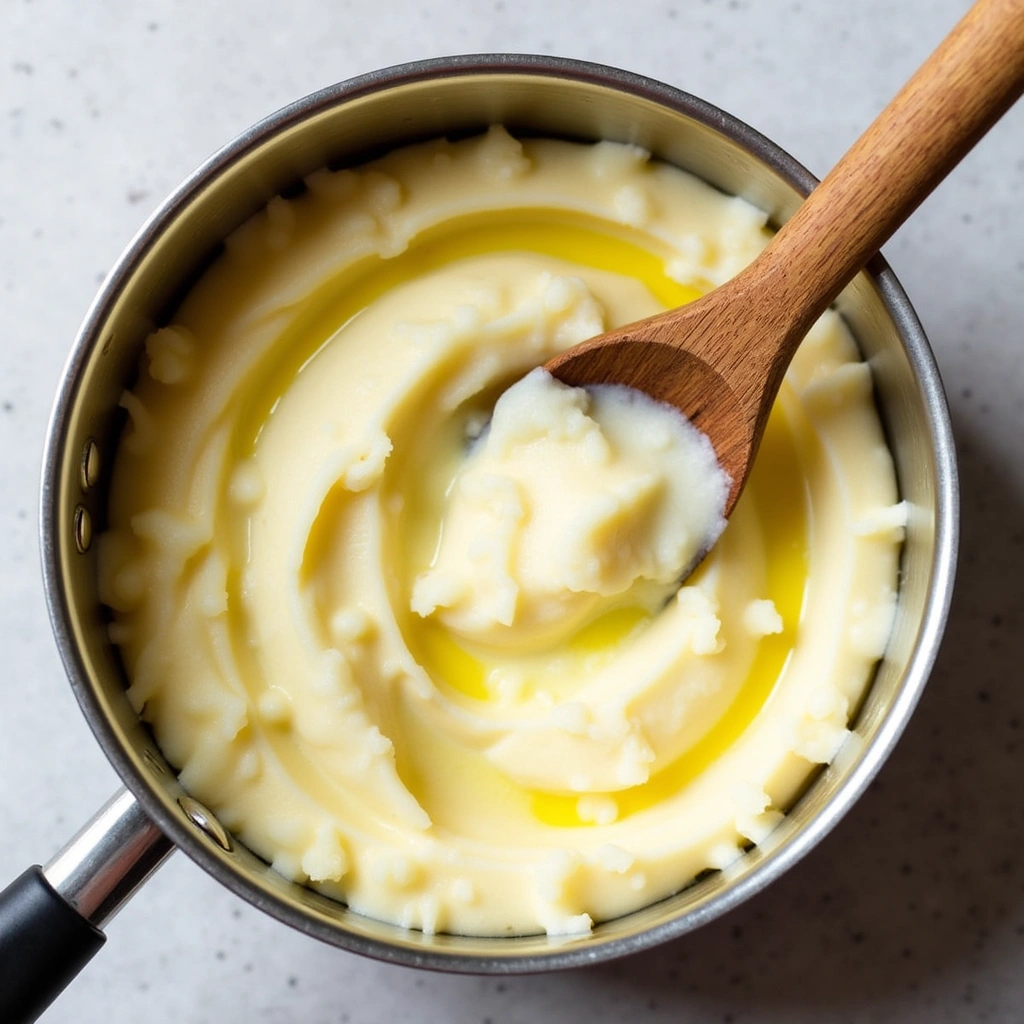
Add olive oil and salt to the drained potatoes in the pot.
Using a potato masher, mash the potatoes until smooth and creamy.
Take care not to over-mash as this can make them gummy; aim for a fluffy texture.
Set the mashed potatoes aside while you finish the meat mixture.
Step 7: Add Broth
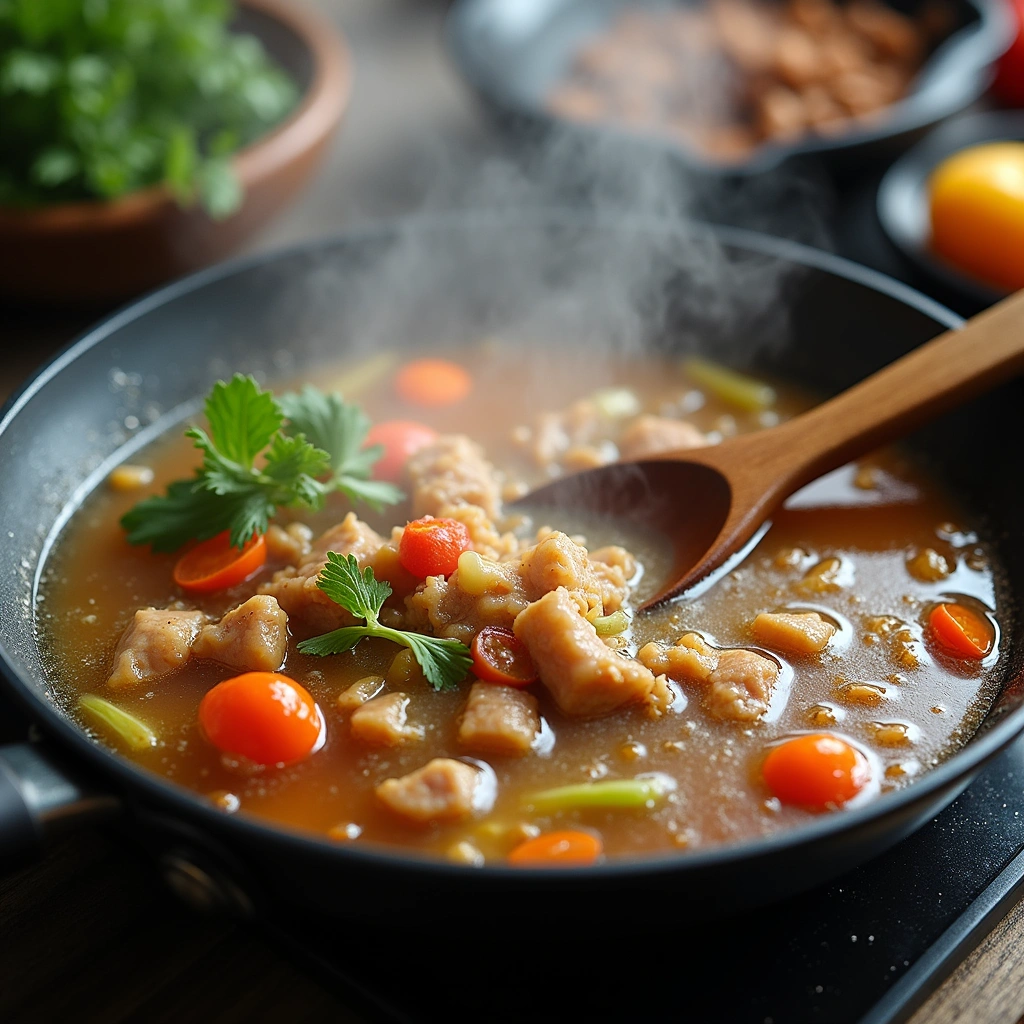
Pour the vegetable broth into the skillet with the meat and vegetable mixture.
Stir well to combine and allow it to simmer for about 5 minutes.
This will help meld the flavors together and create a cohesive dish.
Watch for the broth to reduce slightly, concentrating its flavor.
Step 8: Assemble the Dish
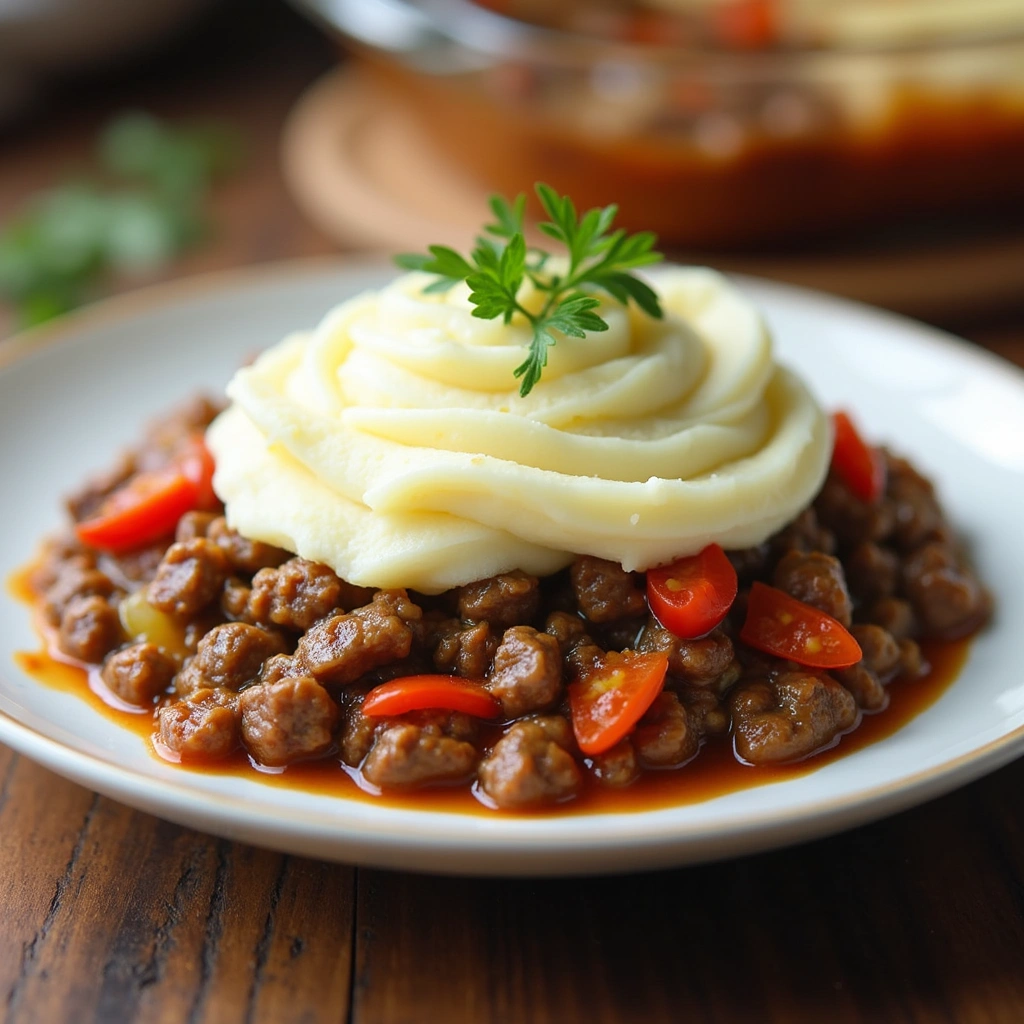
In a serving dish, layer the meat mixture at the bottom.
Top it generously with the creamy mashed potatoes, smoothing them out with a spatula.
Create a decorative swirl on top for an appealing presentation.
This final assembly not only looks good but also enhances the flavor with every bite.
Critical Timing and Temperature Guide
Browning Ground Beef: Aim for 6-8 minutes at medium-high heat until it reaches a nice brown color. Watch for the beef to lose its pinkness, indicating it’s fully cooked.
Boiling Potatoes: Boil for 15 minutes or until fork-tender. If they begin to break apart, they may be overcooked, which can lead to a watery mash.
Sautéing Vegetables: Sauté for 5-7 minutes until softened. If they start to brown too quickly, lower the heat to prevent burning.
Pro Tips for Ground Beef and Potato Recipes Dairy Free Comfort Food Ideas
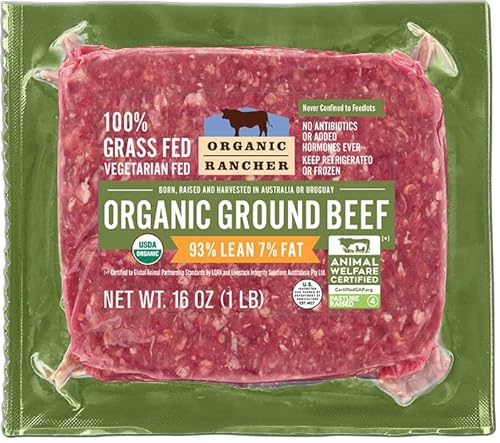
• Ingredient Selection: Use high-quality ground beef for the best flavor and texture, opting for a higher fat content for juiciness.
• Preparation Secret: Let the mashed potatoes sit covered off the heat for a few minutes before serving to enhance their flavor.
• Temperature Management: Ensure the ground beef is at room temperature before cooking for even browning.
• Texture Enhancement: For extra creaminess, add a splash of dairy-free milk to the mashed potatoes before mashing.
• Flavor Layering: Incorporate fresh herbs like thyme or rosemary into the meat mixture for added depth.
• Make-Ahead Strategies: Prepare the meat mixture a day in advance and store it in the fridge; reheat before serving.
• Restaurant-Quality Finishing Touches: Garnish with freshly chopped parsley for color and freshness before serving.
• Equipment Optimization: A sturdy, non-stick skillet can help prevent sticking and make cleanup easier.
Troubleshooting Common Issues
• Texture Too Dense: This can happen if the potatoes are over-mashed. To fix it, add a bit more olive oil or dairy-free milk and gently stir to loosen the mixture.
• Flavors Unbalanced: If the dish lacks flavor, try adding more salt or herbs to enhance the taste. Taste as you go for the best adjustment.
• Meat Not Browning: If the ground beef isn’t browning, it might be too cold or crowded in the pan. Ensure it’s at room temperature and don’t overcrowd the skillet.
• Potatoes Too Watery: This often happens if they’re overcooked. Drain well and mash while hot; if they’re still watery, consider adding a bit of potato flakes to absorb excess moisture.
• Vegetables Burning: If vegetables are burning too quickly, lower the heat and stir more frequently to avoid contact with the pan’s surface.


Variations and Regional Differences
• Shepherd’s Pie: This traditional British dish uses lamb instead of beef and is topped with a thicker layer of mashed potatoes, often enriched with butter.
• Colcannon: An Irish version that incorporates cabbage or kale into the mashed potatoes for added texture and flavor.
• Chili Beef and Potato Bake: A Tex-Mex adaptation with chili spices and cheese, baked until golden and bubbling.
• Modern Interpretations: Consider using sweet potatoes for a healthier twist or adding different vegetables like peas or corn for variety.


Food Science Behind the Recipe
• Maillard Reaction: This is the chemical reaction that occurs when the ground beef is browned, creating complex flavors and aromas that elevate the dish.
• Starch Gelatinization: When potatoes are boiled, starch granules absorb water and swell, resulting in the desired creamy texture when mashed.
• Emulsification: The process of combining oil and water in the mashed potatoes helps create a smooth, cohesive mixture; proper technique prevents separation.
Frequently Asked Questions
What’s the most common mistake people make when preparing Ground Beef and Potato Recipes? The most common mistake is overcooking the potatoes, leading to a gummy texture. To prevent this, monitor the boiling time closely.
Can I prepare components of this dish in advance? Yes, you can prepare the meat mixture and mashed potatoes a day ahead. Store them separately in airtight containers in the fridge.
How do I adapt this recipe for dietary restrictions? For gluten-free, ensure all ingredients are certified gluten-free and opt for gluten-free broth.
What’s the best way to store and reheat leftovers? Store leftovers in an airtight container in the fridge for up to 3 days. Reheat in the microwave or on the stovetop until hot throughout.
Can I freeze this dish? Yes, you can freeze the meat mixture separately from the mashed potatoes for up to 3 months. Thaw in the fridge before reheating.
What wine or beverages pair best with this dish? A robust red wine like Cabernet Sauvignon complements the richness of the beef beautifully.
How can I scale this recipe up for a crowd? Simply multiply the ingredient amounts by the number of servings desired, but consider using a larger skillet or pot to accommodate the increased volume.
What side dishes complement this recipe best? A fresh green salad or steamed vegetables provide a light contrast to the hearty main dish.
How do professional chefs elevate this dish for restaurant service? Chefs often add gourmet touches like truffle oil in the mashed potatoes or serve with a side of homemade gravy.
Serving and Presentation Guide
• Traditional Presentation: Serve in a deep dish or casserole with a sprinkle of parsley on top for color. Use a spoon to create swirls in the mashed potatoes for visual appeal.
• Modern Plating Ideas: Plate the meat mixture in a shallow bowl and top with a quenelle of mashed potatoes for a sophisticated look.
• Accompaniment Suggestions: Pair with crusty bread or a light salad to balance the richness of the dish.
• Special Occasion Presentation: Create individual servings in ramekins, topped with a sprinkle of paprika for a pop of color, and serve with a side of seasonal vegetables.
Conclusion
Ground Beef and Potato Recipes are a comforting staple that can bring warmth and joy to any table.
I hope you find joy in preparing this dish and sharing it with loved ones.
With its rich flavors and satisfying textures, it’s sure to become a favorite that you return to time and again.